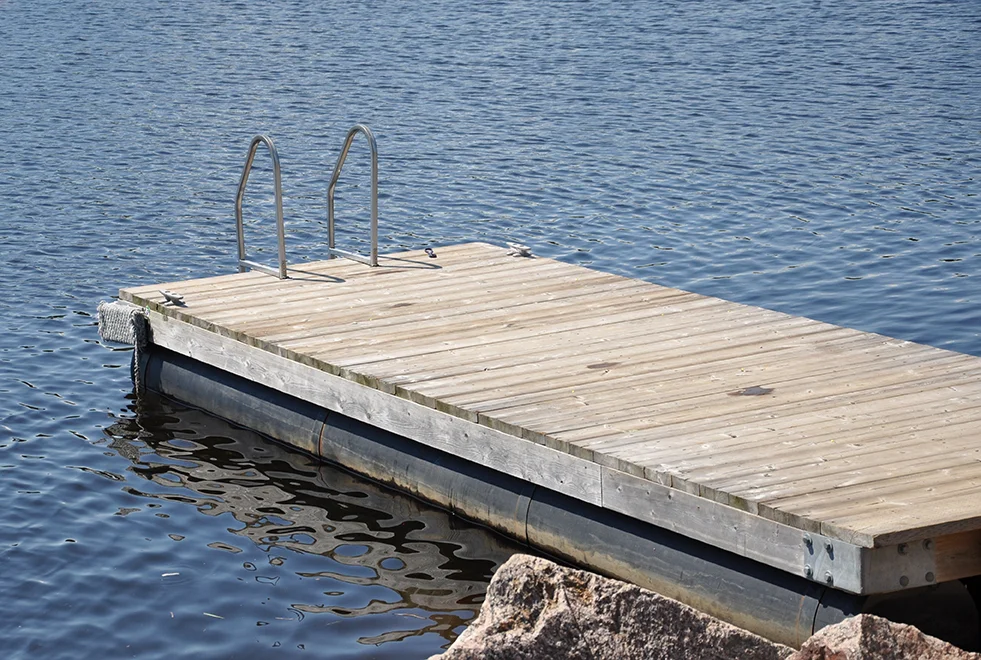
Minnesota is home to more than 10,000 lakes, and lakefront living remains one of the state’s most treasured lifestyles. Whether you spend your summer boating, fishing, swimming, or simply enjoying peaceful views of the water, your dock plays an important role in how you experience the shoreline.
But while docks and boat lifts provide convenience and enjoyment, they are also exposed to some of the harshest environmental conditions in the Midwest. Ice expansion, wind-driven waves, seasonal water fluctuations, and strong storms can all affect the stability and longevity of your dock system. Proper dock maintenance is essential not only for safety but also for preserving the long-term value of your waterfront property.
For Minnesota lakefront homeowners, understanding how to care for docks and lifts throughout the year can make a significant difference in performance, durability, and overall shoreline experience.
A dock is more than just a structure extending into the water. It functions as the gateway between land and lake, supporting activities such as boating, swimming, and relaxing along the shoreline. When properly maintained, docks provide safe access to the water and help organize recreational equipment.
However, neglecting maintenance can lead to several issues, including:
Professional dock and lift providers emphasize that seasonal service, inspections, and proper installation techniques play a major role in how long a dock system will last. In Minnesota, where weather conditions can vary dramatically from season to season, a consistent maintenance routine is especially important.
SIDCO Docks, based in Pillager, Minnesota, specializes in dock and lift sales, installation, removal, repairs, and shoreline services designed specifically for the conditions found in the Brainerd Lakes region and surrounding lakes. Their services help ensure that docks remain secure, functional, and aligned with changing lake conditions throughout the year.
One of the most important aspects of dock maintenance is adapting your care routine to the seasons. Each time of year presents unique challenges for waterfront structures.
As ice melts and water levels begin to rise, spring marks the return of dock season for most lakefront homeowners. During this time, docks that were removed or stored during winter must be reinstalled and inspected for any damage that may have occurred during the off-season.
Key spring tasks include:
Professional installation services often simplify this process. Many dock providers offer seasonal spring installation services that ensure the structure is positioned correctly and secured according to shoreline conditions.
Because water levels, lakebed composition, and shoreline slope vary between lakes, professional teams often rely on specialized equipment—such as hydraulic barges—to install docks safely and accurately.
During summer, docks receive the most use. Boat traffic, swimmers, and daily exposure to sunlight and waves all contribute to wear and tear. Regular checks during the summer months can prevent minor issues from becoming larger structural problems.
Recommended summer maintenance practices include:
Minnesota lakes can experience sudden storms with strong winds and waves. These weather events may shift docks or cause lifts to become misaligned. A quick inspection after storms can help identify potential issues early.
One of the most critical maintenance steps for lakefront property owners in northern climates is fall dock removal. When lakes begin to freeze, expanding ice can place enormous pressure on dock structures. Leaving docks in the water during winter may result in severe damage.
Seasonal removal services typically include:
Dock and lift professionals often manage both spring installation and fall removal services, helping lakefront property owners protect their equipment from winter conditions.
During winter, dock systems are usually stored on land or in designated storage areas. This time presents a good opportunity for deeper inspections or repairs.
Homeowners or service providers may:
Winter maintenance ensures that docks are ready for the next boating season without unexpected delays.
Minnesota weather can affect dock structures in several ways. Understanding these factors helps lakefront homeowners make informed decisions about maintenance and upgrades.
Ice expansion during winter can push or bend dock structures. Proper seasonal removal is the most effective way to prevent damage from ice pressure.
Wind-driven waves repeatedly strike dock supports, gradually loosening hardware or shifting dock sections. High-quality materials and proper installation techniques help minimize wave damage.
Spring snowmelt, heavy rainfall, or seasonal water management practices can raise or lower lake levels. Adjustable dock systems and floating dock options are often designed to accommodate these fluctuations.
Strong storms occasionally displace docks or damage boat lifts. Some dock service providers offer storm recovery services that use barge equipment to reposition docks or retrieve structures that have shifted in the water.
Material selection plays a major role in long-term dock performance. Modern dock systems often use corrosion-resistant materials designed for waterfront environments.
Common materials include:
Aluminum Frames
Aluminum is widely used for dock frames because it is lightweight, rust-resistant, and durable in wet environments.
Composite Decking
Composite materials provide strong, slip-resistant surfaces that require less maintenance than traditional wood decking.
Stainless Steel Hardware
High-quality fasteners help prevent corrosion and maintain structural stability over time.
SIDCO Docks provides dock and lift systems built for durability and long-lasting performance in Minnesota’s changing seasonal conditions.
While some lakefront homeowners choose to handle maintenance themselves, professional dock services provide expertise and equipment that can simplify the process.
Professional services may include:
Specialized equipment such as hydraulic barges allows service teams to install or transport docks across lakes, even when shoreline access is limited.
Working with experienced dock professionals also helps ensure installations meet safety standards and accommodate lake-specific conditions.
Maintaining the shoreline around your dock can also influence dock stability and durability. Erosion, shifting sediment, or vegetation overgrowth can affect how docks sit in the water.
Shoreline maintenance practices may include:
Taking care of the shoreline not only protects your dock but also preserves the overall appearance and health of your waterfront property.
Dock placement on Minnesota lakes is generally regulated to protect water quality, navigation, and shoreline ecosystems. While many standard docks are allowed without permits, certain installations or shoreline alterations may require approval from local or state authorities.
Lakefront property owners should familiarize themselves with guidelines regarding:
Consulting official state resources helps ensure dock installations comply with current regulations and environmental guidelines.
When properly maintained, a dock and boat lift system can provide many years of reliable use. Regular inspections, seasonal service, and thoughtful upgrades all contribute to extending the life of waterfront equipment.
Beyond functionality, a well-maintained dock also enhances the visual appeal and usability of a lakefront property. For homeowners in the Brainerd Lakes region and throughout Minnesota, maintaining docks and lifts helps preserve the enjoyment and value of lake living.
Understanding how seasonal changes affect docks—and working with knowledgeable service providers when needed—ensures that waterfront structures remain safe, durable, and ready for every season on the lake.
SIDCO Docks
Pillager, Minnesota
Phone: (218) 838-7179
Email: yourdockguy@hotmail.com
SIDCO Docks installs and services docks and boat lifts across Central Minnesota and the Brainerd Lakes area, providing installation, seasonal removal, storm recovery, and shoreline maintenance services for lakefront property owners.