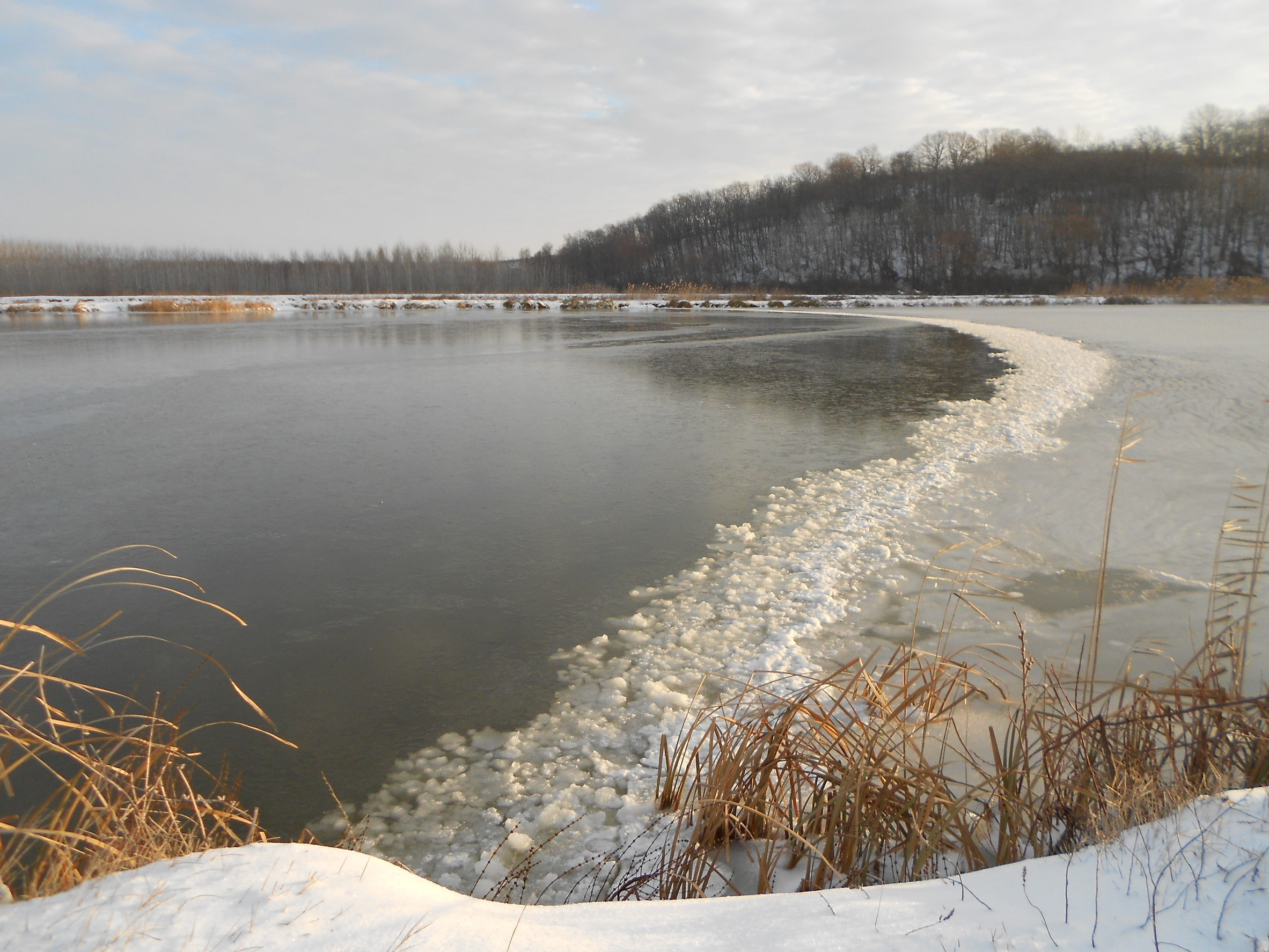
Minnesota winters are beautiful, especially when snow-covered lakes become destinations for ice fishing, snowmobiling, and other winter activities. But beneath that peaceful winter scenery, powerful natural forces can be at work.
For lake homeowners, those forces can create serious problems for docks, boat lifts, and shoreline structures.
Dock ice damage is one of the reasons seasonal waterfront maintenance matters so much in Minnesota. Even a well-built dock or heavy-duty boat lift can experience damage when expanding ice, shifting ice sheets, and changing temperatures place pressure on equipment.
The challenge is that ice damage isn’t always obvious while it’s happening. Homeowners may return to their lake property in spring only to discover bent supports, damaged frames, shifted equipment, or shoreline changes that weren’t there in fall.
Understanding how Minnesota lake ice behaves, what damage it can cause, and how to reduce the risk can help homeowners make better decisions about protecting their waterfront equipment.
Docks and boat lifts spend their summers exposed to waves, boat traffic, changing water levels, and storms. They’re designed to function in that environment.
Winter introduces an entirely different set of conditions.
When lake water freezes, it forms an ice sheet that can expand, contract, crack, and shift as temperatures change. These movements can exert tremendous force on objects trapped in or near the ice.
Unlike ordinary wave action, ice pressure may push against dock legs, lift frames, shoreline structures, and other components for extended periods.
The severity of Minnesota winter dock damage depends on several factors, including the lake’s characteristics, winter weather, ice movement, shoreline conditions, and equipment design.
Not every winter causes significant damage. However, a dock that survives one winter in the water isn’t necessarily protected from the next.
One of the most powerful causes of shoreline damage in Minnesota is a natural process called ice heaving, sometimes referred to as ice jacking.
The Minnesota Department of Natural Resources explains that temperature changes can cause cracks to develop in lake ice. Water enters those cracks and freezes, contributing to expansion within the ice sheet.
As temperatures fluctuate, the ice can push toward shore with considerable force.
That movement may create ridges of soil, rock, and other shoreline material. In some cases, the pressure can damage docks, boat lifts, retaining walls, and even buildings.
An ice heave dock problem develops when moving ice encounters equipment or structures along the shoreline.
Ice may press against dock legs, supports, or framing, causing components to shift or bend.
If a dock is trapped in the ice, the pressure may affect multiple connected sections rather than one isolated component.
The amount of damage depends on the dock’s construction and how the ice moves, making the outcome difficult to predict.
Ice heaving is only one way winter conditions can affect waterfront equipment.
Several processes can contribute to frozen lake dock damage, particularly when equipment remains installed after the lake freezes.
Lake ice responds to changing temperatures.
As temperatures fall and rise, the ice sheet can contract and expand. Repeated movement may place stress on equipment caught within it.
Wind, temperature changes, and other lake conditions can contribute to ice movement.
If a dock is frozen into an ice sheet that shifts, connected components may experience forces they weren’t designed to withstand.
Ice doesn’t necessarily push evenly against an entire dock.
One support may experience substantial pressure while another remains relatively unaffected. This uneven loading can contribute to twisting, misalignment, or damage to connections.
These conditions help explain why a dock may appear relatively undamaged in one area while another section has experienced significant stress.
When spring arrives, homeowners should inspect any dock that remained exposed to winter ice before returning it to normal use.
Some damage is immediately obvious. Other problems require a closer look.
Common warning signs include:
These symptoms don’t automatically mean ice caused the damage. Storms, wear, improper installation, and other factors can create similar problems.
However, visible changes after winter deserve attention before the dock is used regularly.
Boat lifts are another important concern for Minnesota lake homeowners.
A boat lift may be built with strong aluminum framing, durable hardware, and components designed to support thousands of pounds.
However, supporting the weight of a boat is very different from resisting pressure created by moving ice.
Boat lift ice damage can affect structural components, operating mechanisms, and accessories.
Ice movement may bend supports, distort the frame, or shift the lift from its original position.
Even relatively small changes in alignment can affect how a lift operates.
Depending on the design, boat lifts may contain cables, pulleys, hydraulic systems, or other mechanisms.
Structural movement caused by ice can affect the positioning or operation of these components.
Any lift exposed to substantial ice pressure should be inspected before use.
Bunks, guides, and other accessories help position and support the boat.
If ice movement shifts the lift or damages its frame, those accessories may no longer align properly with the watercraft.
This can create additional concerns when the boat is placed on the lift in spring.
Aluminum is widely used in waterfront equipment because it provides durability, corrosion resistance, and a favorable strength-to-weight ratio.
Sidco Docks offers Tidal docks and hydraulic boat lifts, including aluminum systems designed for demanding waterfront use.
These materials and construction features offer important benefits during the boating season.
However, corrosion resistance doesn’t make a dock or lift immune to ice pressure.
Even strong aluminum components can bend or shift when exposed to forces outside their intended operating conditions.
The same principle applies to other dock materials. Strength, durability, and winter suitability are related considerations, but they aren’t interchangeable.
Homeowners should follow the manufacturer’s instructions regarding seasonal removal and winter installation rather than assuming heavy-duty construction alone provides sufficient protection.
One of the most practical ways to reduce ice-related damage is to remove seasonal docks and lifts before significant ice develops.
This removes the equipment from an environment where expanding and shifting ice could place pressure on its components.
Proper winter dock protection begins with planning removal around the end of boating season and changing weather conditions.
Sidco Docks provides seasonal dock and lift removal throughout the Brainerd Lakes Area, scheduling services according to customer preferences and weather forecasts.
The goal is to have seasonal equipment safely stored before the first hard freeze.
Removing equipment also creates an opportunity to inspect frames, supports, hardware, and other components before winter storage.
Not every waterfront structure is intended to be removed seasonally.
Some permanent docks and specialized systems are designed for particular year-round applications.
However, winter suitability depends on the structure’s engineering, installation, site conditions, and manufacturer specifications.
A dock that can remain installed in one environment may not be appropriate for another Minnesota lake.
Before choosing a permanent system, homeowners should consider local ice conditions, water depth, shoreline characteristics, and applicable regulations.
For typical seasonal docks and boat lifts, removal remains a practical way to avoid direct exposure to winter ice movement.
Yes. The same forces that damage docks and lifts can also change the shoreline itself.
Ice heaving can push soil, rocks, and other material into ridges along the water’s edge.
These formations may interfere with lake access or affect nearby landscaping and structures.
However, ice ridges can also provide ecological benefits by helping protect shorelines from erosion and supporting vegetation.
For that reason, homeowners shouldn’t automatically remove or grade an ice ridge without understanding applicable regulations.
The Minnesota DNR explains that shoreline alteration work may require permits, although certain recent ice-ridge repairs qualify for exceptions when specific conditions are met.
Before changing the shoreline, it’s important to review state and local requirements.
Discovering winter damage can be frustrating, especially when you’re eager to prepare the waterfront for another season.
The first priority should be determining whether the equipment is safe to use.
Avoid operating a visibly damaged boat lift or walking on an unstable dock.
Start by documenting the condition of the equipment with photographs and notes.
Look for bent components, shifted supports, damaged connections, and other visible changes.
If structural damage is suspected, have the equipment evaluated before attempting repairs or returning it to service.
Some problems may involve replaceable components. Others may require more extensive repairs or replacement.
The appropriate solution depends on the equipment’s condition and whether it can be restored to safe operation.
If equipment becomes trapped in ice during winter, avoid trying to force it loose.
Frozen components can be difficult to move, and applying excessive force may create additional damage.
Working on lake ice also presents safety concerns.
The Minnesota DNR emphasizes that ice conditions can vary significantly across the same lake and that no ice should be considered completely safe.
Shoreline areas can be particularly unpredictable.
If a dock or lift becomes frozen in place, professional evaluation may be appropriate. Protecting waterfront equipment should never take priority over personal safety.
For Minnesota lake homeowners, preventive maintenance can help reduce avoidable damage.
Before winter:
These steps won’t prevent every possible waterfront problem, but they provide a practical approach to seasonal Minnesota dock care.
Minnesota lake ice is powerful, unpredictable, and capable of causing substantial damage to waterfront structures.
Ice heaving, expanding ice sheets, changing temperatures, and uneven pressure can affect docks, boat lifts, and shoreline property in ways that aren’t always obvious until spring.
Understanding the causes and warning signs of dock ice damage helps homeowners make informed decisions about seasonal removal, maintenance, repairs, and equipment replacement.
For seasonal docks and boat lifts, removing equipment before freeze-up is generally one of the most practical ways to reduce exposure to damaging ice forces.
A little preparation in fall can make a meaningful difference when Minnesota’s next boating season arrives.
Sidco Docks is based in Pillager, Minnesota, and provides dock and boat lift services throughout the Brainerd Lakes Area and surrounding communities.
The company offers Tidal dock and boat lift sales, seasonal installation and removal, repairs, storm recovery, and barge services.
For homeowners researching ice damage, seasonal dock maintenance, waterfront equipment repairs, or replacement docks and lifts, Sidco Docks can provide information based on the equipment and individual lake property.
Sidco Docks
Location: Pillager, Minnesota
Phone: (218) 838-7179
Email: yourdockguy@hotmail.com