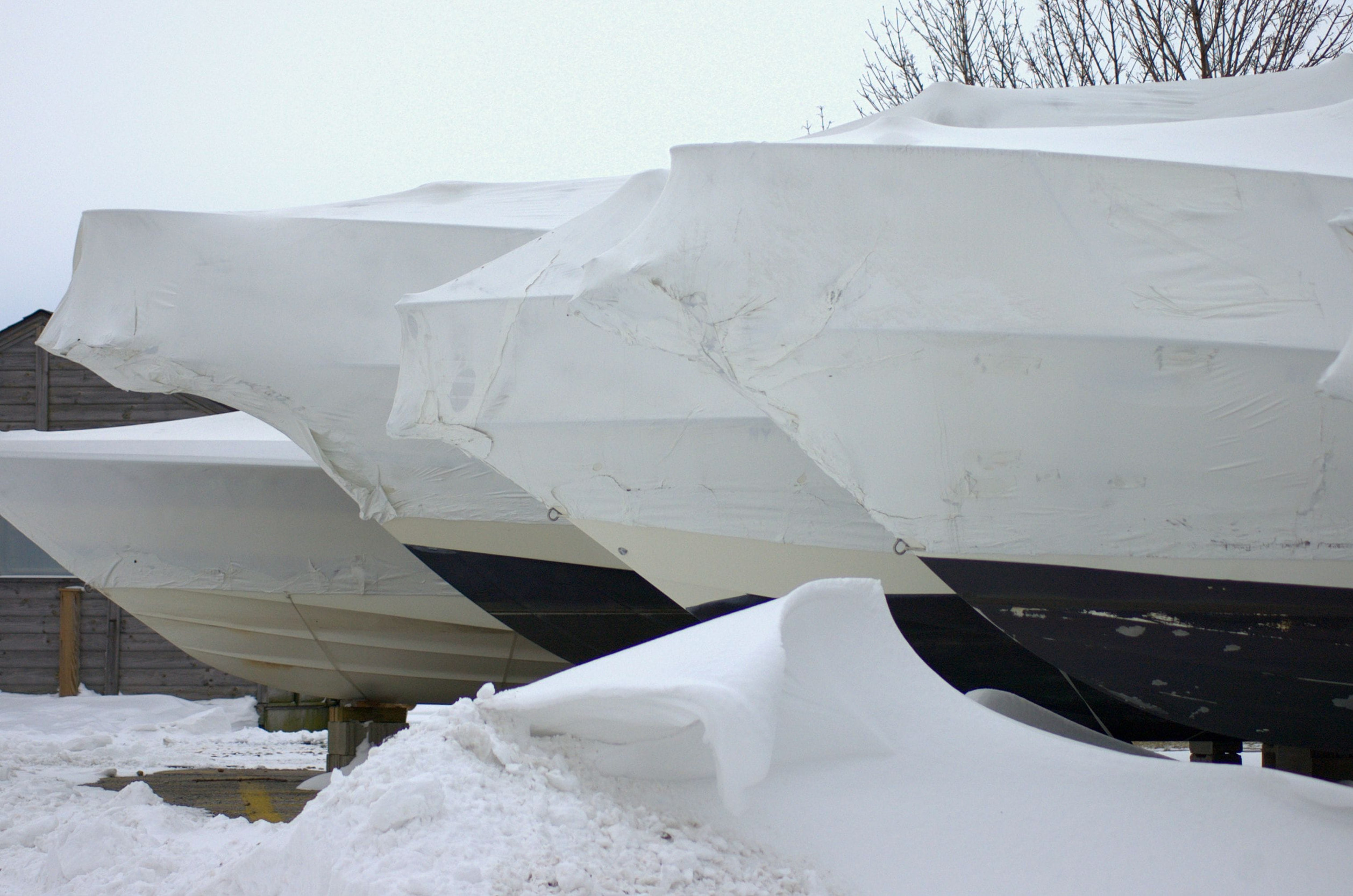
When the last boat ride of the season is behind you and the leaves begin falling around the lake, it’s time to prepare your waterfront for another Minnesota winter. Removing the dock and boat lift is an important part of that process, but what happens after the equipment comes out of the water matters just as much.
Proper dock storage in Minnesota involves more than finding an open spot in the yard and leaving everything there until spring.
Where you place your dock, how you support the sections, what you do with removable components, and how you protect your boat lift can all affect the condition of your equipment when boating season returns.
The good news? Winter storage doesn’t have to be complicated. With a little planning and attention to detail, lake homeowners can help prevent avoidable damage, keep components organized, and make spring installation much easier.
Here’s what you should know about storing your dock and lift for winter in the Brainerd Lakes Area.
Minnesota winters are tough on outdoor equipment. Heavy snow, freezing temperatures, ice, wind, and repeated temperature changes can create challenges for anything stored outside.
Although docks and boat lifts are designed for waterfront conditions, that doesn’t mean they should be stored without consideration for their surroundings.
Improper storage can expose components to unnecessary stress, leave hardware vulnerable to damage, or make equipment difficult to locate and assemble in spring.
A well-planned winter dock storage routine helps protect your investment while making seasonal maintenance more manageable.
It also creates an opportunity to inspect the equipment after a full summer of use, identify repairs, and organize everything before winter arrives.
One of the most important decisions is where your equipment will spend the winter.
The ideal location depends on your property, dock design, boat lift size, and available space. However, there are several characteristics worth looking for.
Choose an area with reasonably level, stable ground that can support the equipment without allowing it to shift or settle significantly.
Soft soil, steep slopes, and uneven surfaces can make large dock sections difficult to position securely.
Avoid areas where water regularly collects or where spring snowmelt may cause significant erosion.
If you’re using blocking or supports, they should be appropriate for the equipment’s weight and placed according to the manufacturer’s recommendations.
A convenient summer storage location isn’t always a good winter storage location.
Think about where snow will be plowed, where vehicles will travel, and whether snowmobiles or other equipment will pass through the area.
Dock sections and lift components should be positioned away from regular traffic and snow removal operations whenever possible.
Also consider spring access. Equipment that’s easy to reach after the snow melts can make installation considerably simpler.
How you position dock sections during storage can affect their condition.
Simply dropping sections onto uneven ground or stacking them without adequate support may place unnecessary pressure on frames, decking, or connection points.
Different dock systems have different storage requirements. Roll-in docks, sectional docks, and floating systems may all need different approaches.
Follow the manufacturer’s recommendations for positioning, supporting, and stacking components.
For systems that can be safely stacked, make sure the arrangement is stable and doesn’t place excessive weight on vulnerable areas.
Never assume that because a dock is made from aluminum, it can be stacked or supported in any configuration.
Good Minnesota dock care means protecting the structure during storage as carefully as you would during installation.
A dock that has spent months in the lake can accumulate mud, algae, aquatic vegetation, leaves, and other debris.
Cleaning it before storage makes inspection easier and reduces the amount of unwanted material sitting on the equipment throughout winter.
Pay particular attention to decking, legs, wheels, supports, brackets, and other areas where debris collects.
Use cleaning methods and products appropriate for the dock material. Avoid harsh chemicals or abrasive methods that could damage protective finishes or decking surfaces.
Allow components to drain and dry as appropriate before organizing them for storage.
Cleaning waterfront equipment isn’t only about appearance.
Minnesota requires water-related equipment to be cleaned of aquatic plants and prohibited invasive species. Equipment must also be drained appropriately.
If a used dock, boat lift, or raft is going to be installed in a different lake or river, Minnesota law requires it to remain out of the water for at least 21 days before installation in that other waterbody.
This is especially important when selling used equipment, purchasing a replacement dock, or moving a lift between lake properties.
Fall removal is one of the best opportunities to examine your dock closely.
Throughout summer, waves, storms, changing water levels, boat traffic, and everyday use can affect hardware and structural components.
As the dock is removed and prepared for storage, inspect it for visible damage.
Look for:
Finding problems during dock winterization gives you time to consider repairs before spring.
Take photos or make a written list of concerns so they aren’t forgotten over the winter.
Few things are more frustrating than preparing to install a dock in spring and discovering that an important bracket, pin, or fastener has disappeared.
Small components can easily get misplaced during fall removal.
Use labeled containers or another organized storage system for removable hardware and accessories. Keep components grouped by dock section or equipment type when practical.
Ladders, bumpers, cleats, and other accessories should also be cleaned and stored according to their materials and manufacturer recommendations.
For removable decking systems, make sure panels are stored in a manner that protects them from unnecessary bending or damage.
A little organization during fall can save considerable time when lake season returns.
Your boat lift deserves the same level of care as your dock.
Boat lifts contain components that support and position a watercraft throughout the summer. Depending on the system, those components may include frames, cables, pulleys, hydraulic equipment, bunks, guides, and electrical accessories.
Proper boat lift storage begins with following the manufacturer’s removal and winter storage instructions.
Before storage, inspect accessible components for unusual wear, damage, or misalignment.
If cables appear frayed, hardware is loose, or components are bent, document those concerns and arrange appropriate maintenance before returning the lift to service.
Hydraulic boat lifts may have pumps, hoses, controls, batteries, or other electrical components requiring specific winter preparation.
Follow the manufacturer’s instructions for fluid requirements, electrical disconnection, battery care, and storage.
Avoid assuming that every hydraulic lift uses the same winterization procedure.
Sidco Docks offers Tidal hydraulic boat and pontoon lifts, making the manufacturer’s guidance especially relevant for owners of those systems.
Canopies and curtains often require separate attention during fall storage.
After months of sun, rain, wind, and debris exposure, inspect canopy fabric for tears, loose connections, and other damage.
Remove accumulated leaves and dirt, and follow the manufacturer’s instructions for cleaning and drying.
If the canopy or curtain system is designed to be removed for winter, store it as recommended. Fabric should not be packed away damp when the manufacturer’s instructions call for dry storage.
Protect removable hardware and accessories so they are easy to locate during spring setup.
A properly maintained canopy can continue providing useful protection for your watercraft season after season.
Covering stored equipment may seem like an obvious way to protect it, but the right answer depends on the design and materials.
Some components may benefit from suitable protective coverings, while others are designed for outdoor storage without additional wrapping.
Poorly secured tarps can collect snow, trap moisture, or create problems during strong winter winds.
If a covering is recommended, use one appropriate for the equipment and secure it without creating excessive pressure on frames or accessories.
The goal is to protect components without introducing new problems.
Manufacturer recommendations should guide decisions about covering and protecting your specific dock or lift.
Even experienced lake homeowners can overlook small details during a busy fall season.
Some common storage mistakes include placing equipment in areas exposed to snowplows, failing to support sections properly, leaving removable hardware scattered around the property, and postponing repairs without documenting them.
Another mistake is storing equipment where spring access will be difficult.
It’s worth thinking ahead. Will you be able to reach the dock after snowmelt? Will the lift need to be moved around other stored items? Are the components organized in a way that makes installation practical?
Effective winter dock storage should protect equipment now while simplifying the work required later.
Some homeowners have the equipment, experience, and available space to manage their own dock and lift removal.
Others prefer professional seasonal service, particularly when equipment is large, shoreline access is difficult, or the property has multiple waterfront components.
Sidco Docks provides spring installation and fall removal for docks and boat lifts throughout the Brainerd Lakes Area.
The company’s fall removal process includes carefully dismantling equipment and preparing it for winter storage, with scheduling based on homeowner preferences and weather conditions.
Professional service can help homeowners manage the physical demands of removal while providing an established routine for handling waterfront equipment.
Storage arrangements should still be discussed in advance so everyone understands where and how the equipment will be kept.
Before considering your waterfront ready for winter, review these steps:
This checklist can help make dock storage in Minnesota a more organized part of your annual lake maintenance routine.
When Minnesota’s lakes finally open in spring, most homeowners are eager to get their docks installed and boats back on the water.
The last thing anyone wants is to discover damaged equipment, missing hardware, or storage-related problems that could have been prevented months earlier.
The best way to store your dock for winter is to plan ahead, choose an appropriate location, properly support components, clean and inspect equipment, and follow manufacturer recommendations.
Good winter storage doesn’t guarantee that equipment will never need repairs. However, it can reduce avoidable damage and make seasonal maintenance easier.
For lake homeowners throughout the Brainerd Lakes Area, taking care of docks and lifts after removal is an important part of protecting the equipment that makes waterfront living so enjoyable.
Sidco Docks is based in Pillager, Minnesota, and serves lakefront property owners throughout the Brainerd Lakes Area and surrounding communities.
The company provides Tidal dock and boat lift sales, spring installation, fall removal, repairs, storm recovery, and barge services. Its seasonal services include preparing docks and lifts for winter storage.
For homeowners researching dock and lift storage, seasonal removal, maintenance, or replacement equipment, Sidco Docks can provide information based on the equipment and individual waterfront property.
Sidco Docks
Location: Pillager, Minnesota
Phone: (218) 838-7179
Email: yourdockguy@hotmail.com