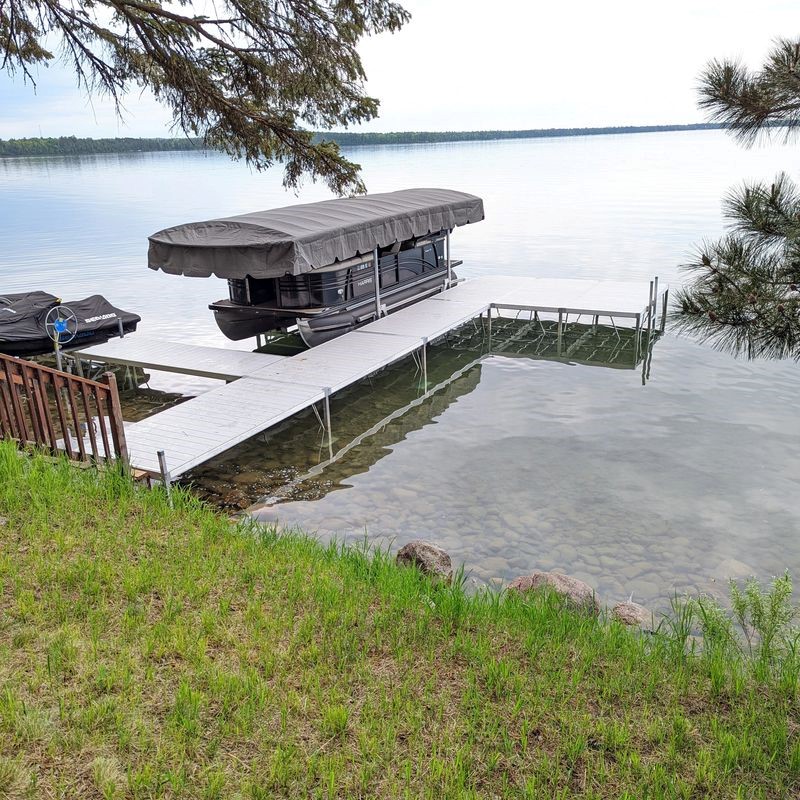
Lakefront living is one of Minnesota’s greatest attractions. Whether it’s a seasonal cabin retreat or a year-round waterfront residence, a dock serves as the connection between the shoreline and everything the lake has to offer. From boating and fishing to swimming and relaxing by the water, docks play an important role in the overall lakefront experience.
However, docks endure a tremendous amount of wear and tear throughout the year. Constant exposure to moisture, changing water levels, storms, UV rays, and harsh Minnesota winters can gradually affect even the most durable dock systems. What starts as a minor issue can quickly become a larger problem if not addressed properly.
Understanding common dock problems and how to prevent them can help property owners extend the lifespan of their dock systems, improve waterfront safety, and reduce long-term maintenance costs. Whether you own a newer aluminum dock or an older system that has been in place for years, preventative maintenance is one of the most valuable investments you can make in your shoreline property.
A dock is one of the hardest-working structures on a waterfront property. Unlike decks, patios, or other outdoor structures, docks are constantly exposed to environmental stress.
Throughout the year, dock systems experience:
Without routine inspections and preventative care, these conditions can gradually compromise structural integrity and safety.
Proactive maintenance helps:
The good news is that many dock problems are preventable when identified early.
One of the most common complaints among waterfront property owners is a dock that feels unstable underfoot.
A dock may begin to wobble, tilt, or shift over time due to:
An unstable dock not only reduces usability but can also become a safety concern for family members and guests.
Regular inspections can help identify instability before it becomes a major issue.
Preventative measures include:
Modern aluminum dock systems with adjustable supports often provide greater long-term stability than older dock designs.
Waterfront environments create ideal conditions for corrosion. Metal components that are constantly exposed to moisture can begin to deteriorate if not properly maintained.
Common areas where corrosion develops include:
Corrosion weakens structural integrity and may eventually lead to equipment failure if left untreated.
Using corrosion-resistant materials is one of the most effective ways to prevent rust-related issues.
Many modern dock systems utilize aluminum because it naturally resists corrosion and performs exceptionally well in waterfront environments.
Additional preventative steps include:
Early detection is key to avoiding costly structural repairs.
Constant moisture exposure can take a toll on dock materials over time.
Older wooden docks are especially vulnerable to:
Even minor water damage can compromise both safety and appearance.
Property owners can reduce water-related damage by:
Aluminum dock systems and composite decking materials have become increasingly popular because they require significantly less maintenance than traditional wood docks.
Minnesota winters create unique challenges for waterfront structures.
Ice movement can exert tremendous force on dock systems, causing:
Leaving a dock in the water too long during freeze-up can significantly increase the risk of winter damage.
The most effective strategy is proper seasonal dock removal.
Benefits of fall dock removal include:
Professional seasonal services can help ensure docks and lifts are safely removed and stored before winter conditions arrive.
Over time, movement, vibration, and regular use can cause hardware to loosen.
Common signs include:
Ignoring loose hardware can eventually lead to more significant structural problems.
Routine inspections should include:
A small adjustment today can prevent a major repair later.
Minnesota weather can change quickly. Strong storms, heavy winds, and large waves can place unexpected stress on dock systems.
Potential storm-related issues include:
Properties located on larger lakes are especially vulnerable.
To minimize storm-related damage:
Professional installation helps improve resilience against changing weather conditions.
Many older dock systems were not designed with ease of installation in mind.
Heavy materials and outdated designs can make seasonal installation and removal difficult.
Challenges often include:
Modern dock systems often utilize lightweight aluminum construction and modular designs that simplify seasonal handling.
Benefits include:
Seasonal dock services can further simplify the process while ensuring proper setup.
Not every dock problem is structural.
Sometimes a dock simply no longer meets the needs of the property owner.
Common functional issues include:
As recreational needs evolve, dock layouts may need to evolve as well.
Modular dock systems allow for flexible configurations that can be adjusted over time.
Potential improvements include:
A thoughtful layout can dramatically improve waterfront usability.
Boat lifts play a major role in protecting watercraft, but improper alignment can create problems.
Misaligned lifts may cause:
Boat lift systems should be inspected regularly to ensure proper positioning.
Professional adjustments may be necessary when:
Proper alignment helps protect both the lift and the boat.
Perhaps the most common dock problem is simply neglecting routine maintenance.
Many issues develop gradually and remain unnoticed until they become expensive repairs.
A simple annual inspection can identify:
Creating a consistent maintenance schedule helps ensure problems are addressed early.
Even experienced waterfront property owners may overlook developing issues.
Professional dock service providers can help by offering:
Routine professional evaluations often identify concerns before they become significant repair projects.
Investing in preventative maintenance offers substantial long-term benefits.
Property owners who proactively maintain their dock systems often experience:
A well-maintained dock contributes to a more reliable and enjoyable waterfront experience while helping protect the overall value of the property.
For Minnesota lakefront owners, understanding common dock problems and addressing them proactively remains one of the best ways to maximize both performance and longevity.
If you have questions about dock maintenance, seasonal dock services, dock repairs, or waterfront upgrades, Sidco Docks serves as a knowledgeable resource for Minnesota lakefront property owners.
Sidco Docks
Location: Pillager, Minnesota
Phone: (218) 838-7179
Email: yourdockguy@hotmail.com
Sidco Docks provides dock and lift installation, seasonal services, and waterfront solutions throughout the Brainerd Lakes region, helping support reliable and well-maintained lakefront systems.