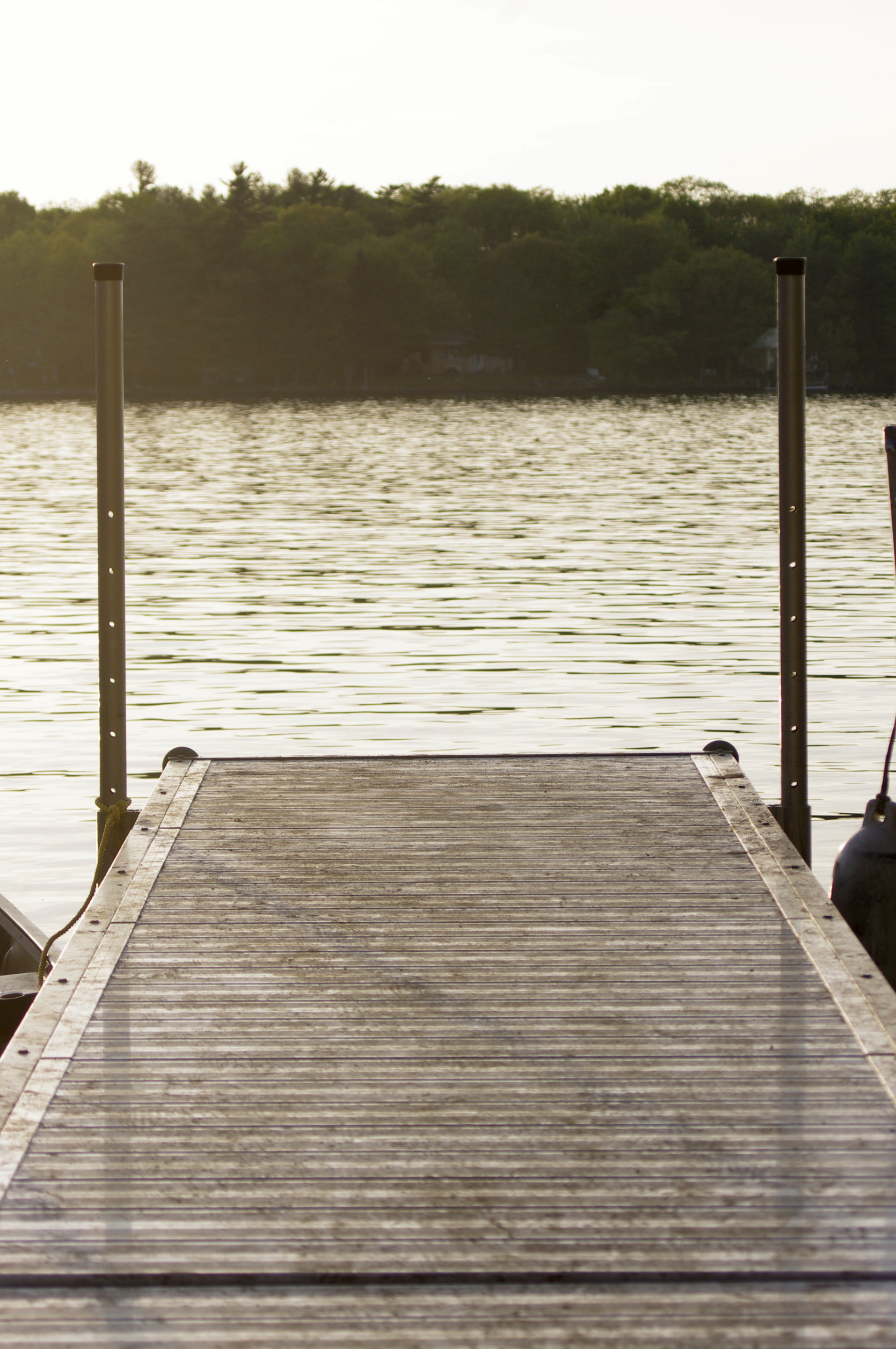
For waterfront property owners, a dock is more than just a structure — it’s a gateway to recreation, relaxation, and connection with nature. But seasonal changes, fluctuating water levels, and environmental stresses make hassle-free dock installation and seasonal removal essential components of responsible dock ownership. Understanding how these processes work helps property owners protect their investment, extend the life of their dock, and enjoy the water without unnecessary stress.
At Sidco Docks, the focus is on delivering smooth installations, professional seasonal take-downs, and services that make waterfront living easier and more enjoyable. This reference guide breaks down what hassle-free dock installation means, why seasonal removal matters in many regions, and how professional support can streamline your entire dock experience.
A hassle-free installation goes beyond simply placing a dock in the water. It involves planning, customization, compliance, and execution that anticipate common challenges before they become problems.
Here are the key elements:
Every shoreline has its own characteristics — water depth, bottom type (sand, rock, mud), slope, and exposure to wind and current. A professional evaluation helps determine the most suitable dock style and anchoring system.
Whether you choose a floating dock, stationary dock, or modular system, materials must match your environment and usage goals. Durable decking, corrosion-resistant hardware, and structural integrity matter when building for longevity.
In many regions, dock installations must comply with local ordinances, waterway regulations, and environmental standards. Professional installers understand permitting requirements and help ensure installations meet all applicable rules.
The physical installation should be efficient, safe, and secure — with carefully aligned sections, stable anchoring, and attention to shoreline disturbance. A streamlined installation reduces time on site and minimizes the workload for the homeowner.
When these steps are performed with precision and organization, dock installation becomes a stress-free experience with results you can count on.
For many lakes and waterways — especially in northern climates — the changing seasons bring varying demands for docks. Winter freeze, fluctuating water levels, and ice movement can damage structures that are left in place year-round. Seasonal removal helps protect your dock and shoreline in several ways:
Ice expansion and contraction can warp, shift, or damage dock frames, decking, and hardware. Removing docks before freeze-up significantly reduces the risk of costly repairs in spring.
Lakes and rivers often experience seasonal changes in water levels. Removing or adjusting a dock during low-water periods prevents stress on hardware and reduces the risk of structure strain.
By limiting exposure to harsh winter conditions, the overall life of your dock increases. Seasonal care can protect critical components and result in fewer replacements or adjustments over time.
Taking a dock out of the water simplifies inspection, hardware tightening, deck cleaning, and component replacement — tasks that are more difficult when the structure remains in place.
Together, these factors help reduce long-term maintenance costs while preserving your dock’s performance year after year.
Understanding the dock type you have — or plan to install — helps determine the most effective seasonal approach.
These versatile systems rest on the water surface and rise and fall with changes in water level. While generally easier to install, they still benefit from removal before ice forms to avoid stress on connections and floatation units.
Anchored to pilings or fixed supports, stationary docks offer stability but can experience pressure from ice and wind if left in place. Seasonal removal or strategic adjustments help protect these systems.
Modular docks allow flexibility because sections can be reconfigured or removed with relative ease. Professional installers can recommend configurations that work best for your shoreline and seasonal strategy.
A well-executed dock installation includes several key phases that, when handled by seasoned professionals, help make the entire process smooth and reliable:
This type of structured workflow helps eliminate guesswork and ensures your dock aligns with your property’s needs and expected water conditions.
Seasonal removal isn’t simply pulling the dock out of the water — it requires planning and precision:
Professional teams dismantle sections carefully, label components, and protect hardware during storage.
Once removed, docks are easier to inspect for wear, corrosion, or damage. Small repairs address minor issues before they become major problems.
Secure storage — whether on your property or at a designated facility — protects components throughout the off-season.
A professional reinstall ensures the dock is refitted appropriately for changing shoreline contours or water levels.
By partnering with an experienced provider, property owners enjoy a seamless seasonal cycle with less effort and fewer surprises.
Successful dock installation and seasonal removal require timing around weather and water patterns. Installing too early in spring or removing too late in winter can expose structures to unnecessary risk. A coordinated plan considers:
Professionals track these factors and help schedule work during optimal windows.
Waterfront environments demand careful attention to safety and compliance. Professional dock services account for:
Understanding regulatory requirements — from conservation rules to homeowner association standards — helps prevent setbacks or compliance issues.
While DIY installations can seem cost-effective at first glance, hidden challenges often arise with precision alignment, hardware selection, and seasonal stresses. Professional installation and removal services aim to:
In evaluating cost, many homeowners find that professional care pays dividends over time.
Resources:
BoatUS Foundation for Boating Safety and Clean Water