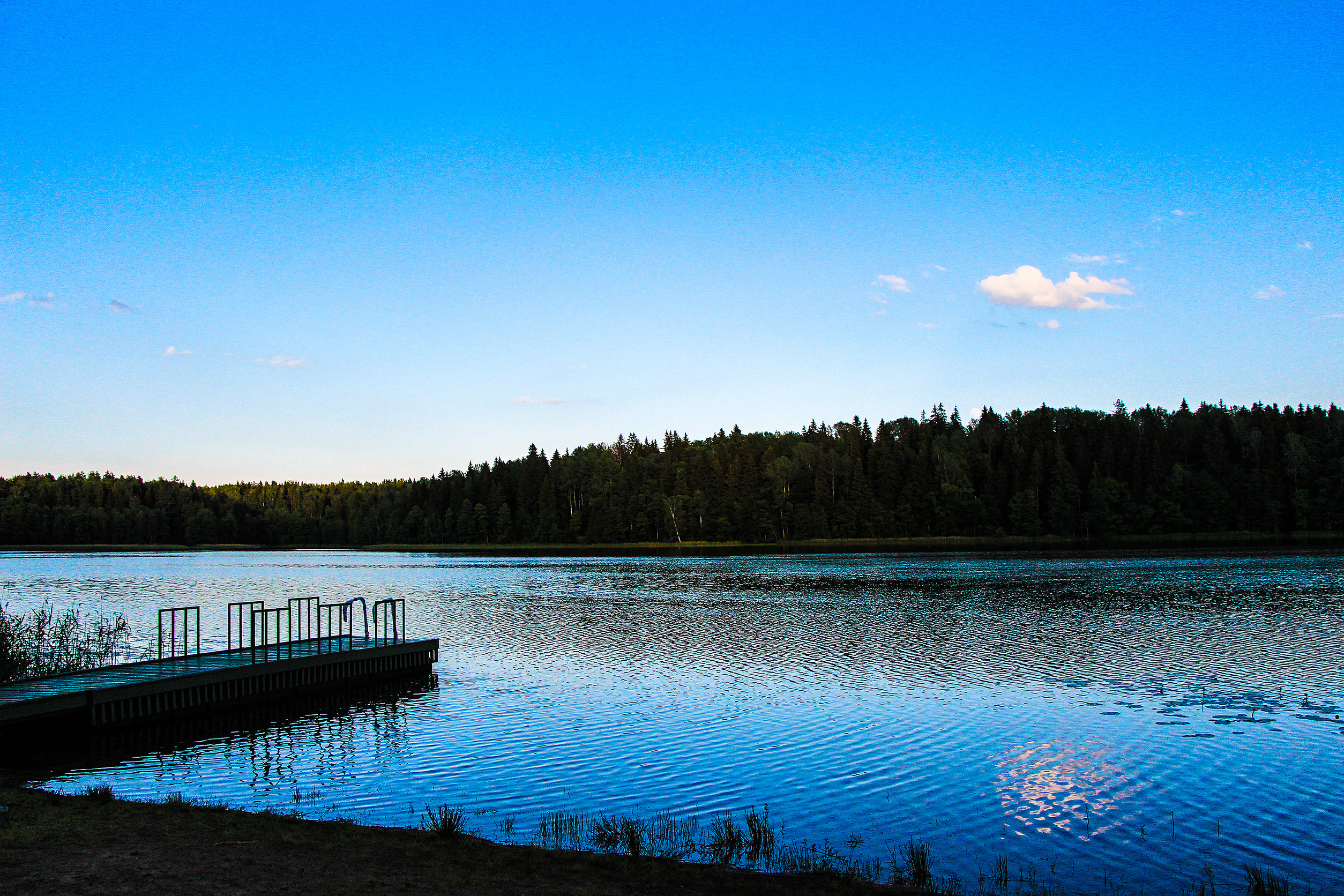
Owning lakefront property in Minnesota means more than just a shoreline—it means dealing with fluctuating water levels, ice loads, storms and long winters. That’s why selecting a dock and boat lift system built for these conditions—and maintaining it properly—is critical. At Sidco Docks in Pillager, MN, homeowners find robust solutions, expert installation and full-season service designed for our lakes.
In this reference-style blog post, we’ll cover: how to choose the right dock/lift system, what installation and seasonal service should involve, and how to ensure your waterfront investment lasts—and works well. No heavy sales pitch—just knowledge you can use.
1. Why Dock & Lift Systems Matter in Minnesota
Your lakeside setup isn’t just for convenience or aesthetic—it’s a structural component of your property that must endure:
- Ice pressure, freeze-thaw cycles and snow loads put tremendous stress on docks, lifts and related hardware. Sidco Docks emphasizes builds “engineered for strength, stability, and long-lasting performance.”
- Water-level fluctuation (especially in spring melt or draw-down) alters how a dock sits and functions—systems must adjust accordingly.
- Storms, wind-driven waves or shifting bottoms mean that a poorly installed or generic system can fail, shift or become unsafe.
- Seasonal removal, maintenance and correct installation impact lifespan far more than simply buying cheap. Sidco covers full-season service including installation, removal and recovery.
Given all of this, investing in the right dock/lift system and choosing a knowledgeable provider makes a substantial difference in long-term durability, safety and costs.
2. Choosing the Right Dock & Lift Setup for Your Shoreline
Because no two lakefronts are identical, a “one-size-fits-all” dock rarely performs optimally. Sidco’s guides highlight several choices and factors.
Key Factors to Assess
- Bottom type: sandy, rocky, mucky—each affects how footings embed, how stable the dock will be.
- Shoreline slope and access: gradual slopes may favour roll-in docks; steep or uneven drops better suit sectionals.
- Water-depth and fluctuations: If water levels vary, floating or modular systems may help.
- Exposure: Lakeshore exposed to wind and waves needs stronger anchoring and materials.
- Intended use: boat storage/lifts versus lounging, swimming, multiple boats all demand different structural demands.
Popular Dock Types
- Roll-In Docks: Great for stable, firm shallow bottoms, ease of seasonal installation/removal.
- Sectional Docks: Modular pieces adaptable for uneven or difficult shorelines. Great flexibility.
- Floating Docks: Best for soft bottoms or deep water where traditional supports struggle.
Lift Systems & Accessories
Your dock is one part—boat lifts, accessories matter too. Sidco lists hydraulic lifts, canopies, and robust custom hardware built for local conditions.
When you compare providers, ask:
- What materials are used (aluminum vs steel vs treated wood)?
- What anchor/support system and how it deals with ice/wave action?
- Is seasonal installation/removal included?
- What accessories are recommended for your boat/usage?
- How will the system adjust for water-level changes or shoreline erosion?
3. Installation, Seasonal Service & Storm Recovery
Buying a dock is one thing. Getting it installed properly—and caring for it season after season—is what ensures you’ll get years of reliable use. Sidco emphasizes installation, seasonal removal and storm recovery services.
Installation & Setup
- A proper installation ensures your system is level, secure, anchored correctly and aligned with shoreline conditions.
- Sidco uses barges with hydraulic lifts to handle installations (especially useful on deeper, rockier or remote shores) which improves precision and reduces damage.
- Verify installation includes secure hardware, proper adjustment (legs, height), accurate layout of accessories.
Seasonal Removal & Storage
- In Minnesota, removing docks and lifts before heavy ice is critical to avoid damage.
- Sidco provides spring installations and fall removals—minimizing your burden and risk.
- Storage, inspection during off-season helps prolong life, reduce surprises in spring.
Storm Recovery & Repairs
- After heavy storms or lake-level fluctuations, your dock system may require adjustment or recovery. Sidco offers storm-recovery services with barges and specialized crews.
- Regular inspections (spring and fall) will detect hardware fatigue, misalignment, or wear before major issues occur.
4. How to Work with a Dock & Lift Provider: What to Ask
When you meet with a potential provider (like Sidco Docks or similar), here are key questions and considerations:
- Are you insured and licensed for dock/lift installation in Minnesota? Sidco states they are “fully insured”.
- What brand/materials do you use? Are they rated for local climate, ice, corrosion?
- Do you perform a shoreline assessment (bottom type, slope, exposure) before recommending systems?
- What is included in the service: sales, installation, removal, storage, repairs?
- How do you handle water-level changes, ice‐push, wave action?
- What is your storm recovery capability?
- What warranties or support do you provide (installation, materials, accessories)?
- Can I see previous installations or testimonials in my region?
- What is the seasonal timeline (spring install, fall removal) and cost structure?
- Can you handle accessories, adjustments, hardware maintenance annually?
Working with a provider with strong local experience (like Sidco Docks) means less risk and better long-term performance.
5. Maintenance Tips to Prolong Your Dock & Lift Life
Once installed, your role in upkeep matters significantly. These tips align with what Sidco posts in their blog about seasonal maintenance.
- Spring: After ice out—inspect bolts, check for shifting, clean surface, adjust legs, check lift cables.
- Summer: After big storms—inspect for damage, check accessory alignment, clean algae/debris, check for wave or wind stress.
- Fall: Before freeze—schedule removal, clean components, inspect hardware, secure for winter.
- Winter (Off-season): Store components safely, inspect stored parts, plan upgrades, review next season tasks.
- Keep records: installation date, service visits, hardware changes, warranty documents.
- Inspect each season for signs of wear: loose fasteners, sagging sections, corrosion, lift cable slack or wear.
- Ensure that removal and storage are done properly—ice damage is a major cause of early failure in northern climates.
6. Summary & Why It All Matters
For lakeshore homeowners in Minnesota, your dock and lift system is much more than just a platform—it’s an integral component of your recreational property, and its durability, safety and suitability matter a lot. With the right planning, provider and maintenance strategy, you’ll enjoy your waterfront for decades instead of dealing with recurring problems.
Sidco Docks stands out for homeowners because:
- Location-specific expertise (Pillager / Brainerd Lakes region) with awareness of local lake conditions.
- Full-service solutions: sales of quality dock/lift systems + installation + seasonal removal + storm recovery.
- Focus on durable materials and proper engineering for the region.
So whether you’re considering your first dock, upgrading your lift, or simply want a better maintenance plan—use this post as your reference. Understand your shoreline, ask smart questions, choose quality, and stay proactive. For broader regulatory and lakeshore guidance (permitting, environmental stewardship) you may reference the Minnesota Department of Natural Resources (DNR) docks & public waters guidelines.