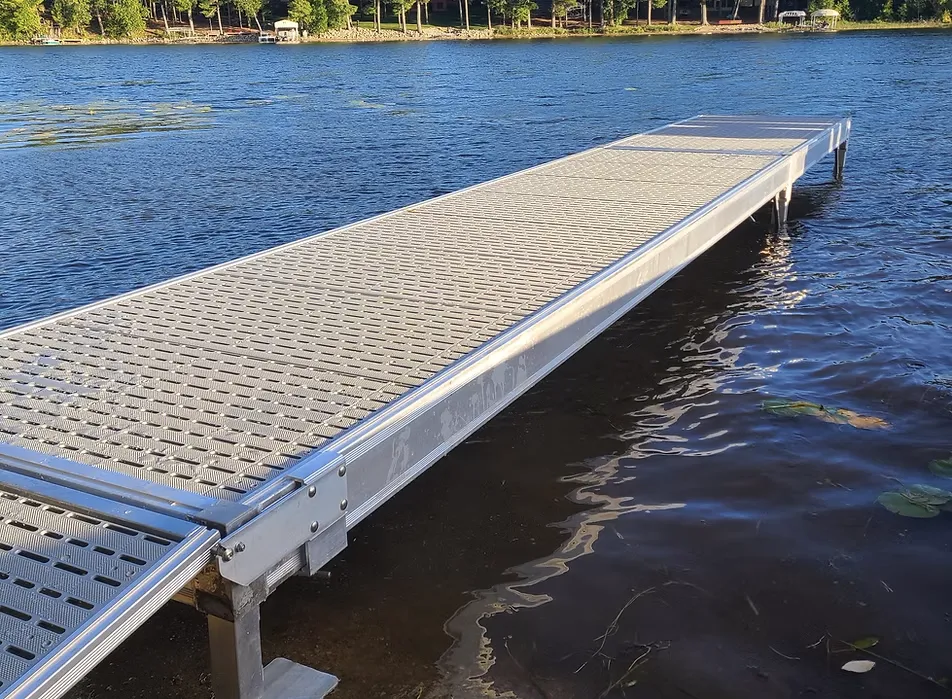
Choosing a dock for your lake property is about much more than appearance. While style, material, and accessories all matter, one of the most important—and often overlooked—factors is water depth. Whether your shoreline has a gradual sandy slope, a rocky bottom, or deep water just a few feet from shore, understanding how water depth affects dock selection can help you make a smarter investment.
Every lakefront property is unique, and the ideal dock for one shoreline may not perform well on another. Water depth influences everything from dock stability and accessibility to seasonal installation, maintenance, and long-term durability. By considering your property’s specific conditions before purchasing a dock, you can enjoy a safer, more functional waterfront for years to come.
At Sidco Docks, helping Minnesota lake property owners find dock systems that match their shoreline conditions is part of delivering dependable waterfront solutions. Understanding how depth, lake bottom composition, and seasonal water changes work together is the first step toward choosing a dock that fits your property.
Water depth directly affects how a dock is supported, how easy it is to install, and how well it performs throughout the boating season. A dock that works perfectly on one lake may be difficult to install or unstable on another simply because of changing water conditions.
Factors influenced by water depth include:
Considering these factors early helps prevent costly adjustments after installation.
Before choosing a dock, it’s important to evaluate the shoreline itself—not just the water.
Some important characteristics include:
Together, these conditions determine which dock style will provide the best performance.
Many Minnesota lakes feature long, gradual shorelines where water deepens slowly.
In these locations, homeowners often need longer dock systems to reach water deep enough for swimming or boating.
Shallow shorelines commonly benefit from:
These systems allow the dock to adapt to changing lake levels while maintaining stability.
Some properties reach several feet of water only a short distance from shore.
Deep water offers certain advantages:
However, deeper water can require specialized installation techniques and support systems depending on the lake bottom.
Professional planning helps ensure proper support while maintaining safe access.
Water depth isn’t only measured by numbers.
The shape of the lake bottom also matters.
A gradual slope provides:
Steeper shorelines may:
Understanding the underwater terrain helps maximize dock performance.
Minnesota lakes rarely stay at one consistent depth throughout the year.
Water levels may change because of:
These fluctuations can affect dock usability if they aren’t considered during planning.
Choosing a dock designed to accommodate changing water levels helps maintain consistent access throughout the season.
Water depth also determines how easily different boats can be launched and stored.
For example:
Fishing boats generally require less water than:
Selecting the proper dock length helps ensure adequate clearance for your specific watercraft.
One goal of every dock is creating safe, comfortable access to the water.
If water remains too shallow near the dock’s end:
On the other hand, extending a dock farther than necessary increases cost without adding value.
Finding the right balance improves both function and efficiency.
Depth alone doesn’t determine the best dock.
The lake bottom plays an equally important role.
Sandy shorelines are often easier for dock installation and adjustment.
Benefits include:
Rocky conditions may require:
Soft lake bottoms can present challenges because dock supports may settle over time.
Professional installation helps ensure the dock remains level and secure throughout the season.
Regardless of water depth, every dock should feel solid underfoot.
Proper support helps reduce:
Choosing the correct dock configuration for your shoreline contributes significantly to long-term stability.
Water depth also influences future maintenance needs.
Properties with significant seasonal changes may require:
Routine inspections help identify small issues before they become expensive repairs.
Many homeowners attempt to estimate their shoreline conditions themselves.
However, professional site evaluations consider much more than simple water measurements.
Experienced dock professionals evaluate:
This comprehensive approach helps ensure the dock performs well for years.
Many families purchase larger boats over time.
Others add:
Choosing a dock system that allows future expansion helps maximize your investment.
Modular dock systems often make it easier to adapt as recreational needs change.
Even the highest-quality dock performs best when installed correctly.
Professional installation helps ensure:
Experienced installation also reduces unnecessary wear caused by improper alignment.
Sidco Docks provides professional installation, seasonal removal, repairs, and waterfront services designed to help lake homeowners enjoy dependable performance throughout Minnesota’s boating season.
Water depth is one of the most important considerations when selecting a dock, but it isn’t the only one.
The best dock also reflects:
By considering each of these factors together, homeowners can select a dock system that provides years of safe, enjoyable use while protecting their waterfront investment.
A carefully chosen dock becomes more than a place to tie up a boat—it becomes the center of family gatherings, fishing trips, quiet mornings on the lake, and lasting memories. Taking the time to understand how water depth affects dock selection helps ensure your waterfront is ready for every season Minnesota has to offer.
Sidco Docks provides professional dock and boat lift sales, installation, seasonal removal, repairs, and barge services for lake property owners throughout Central Minnesota. Whether you’re upgrading your waterfront or selecting a dock for a new property, the team offers knowledgeable guidance and dependable service tailored to your shoreline.
Sidco Docks
Pillager, MN
Phone: (218) 838-7179
Email: yourdockguy@hotmail.com
Website: https://sidcodocks.com/