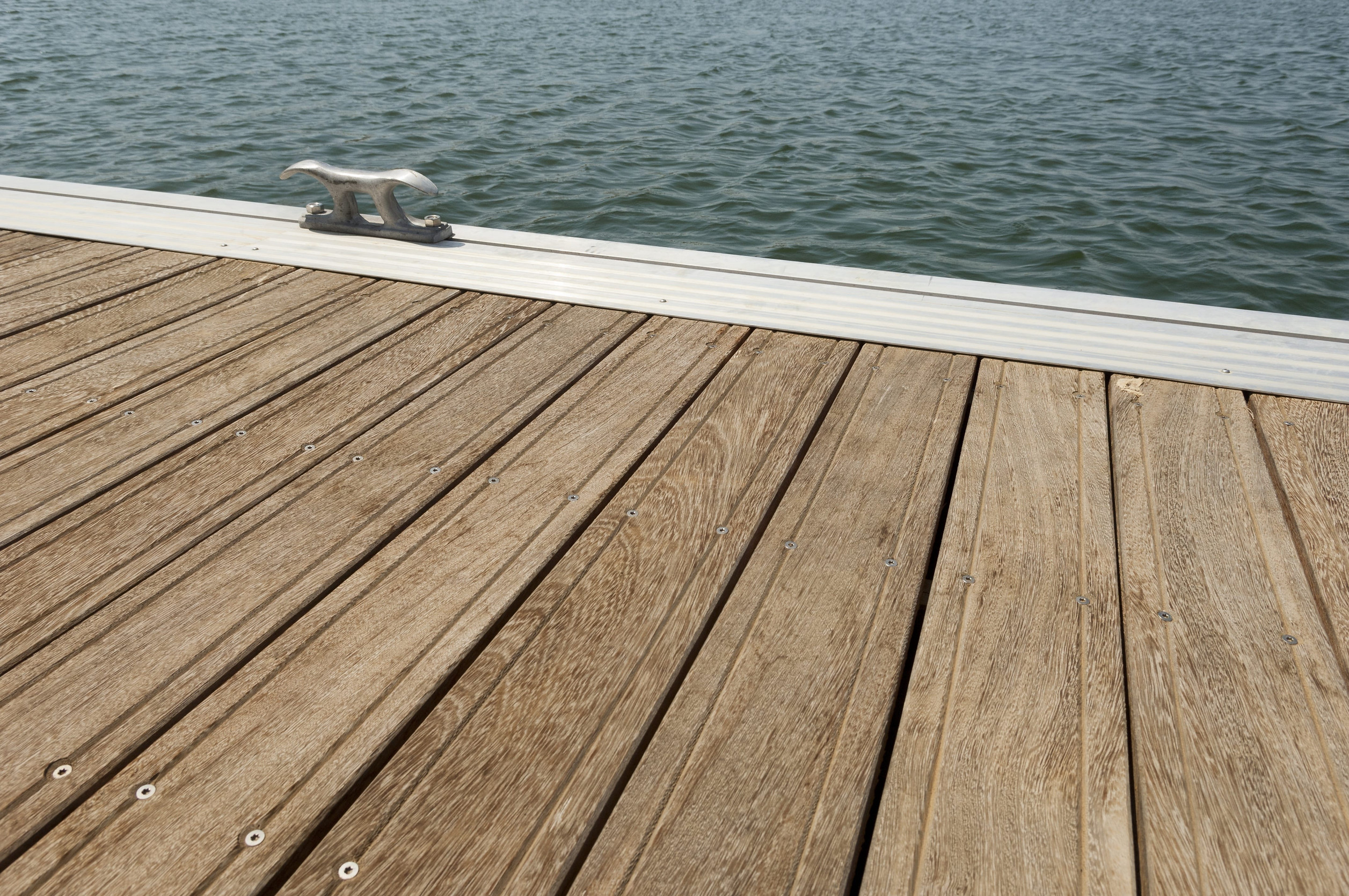
As winter begins to fade across Minnesota and the lakes slowly return to life, lakefront property owners turn their attention to one of the most important seasonal tasks—spring dock and lift installation. After months of ice, snow, and harsh conditions, your waterfront needs careful preparation to ensure it’s ready for a safe and enjoyable boating season.
Spring installation is more than simply putting your dock back in the water. It is a strategic process that involves shoreline assessment, equipment inspection, and precise placement to ensure long-term performance. For property owners in areas like the Brainerd Lakes region, where seasonal changes are significant, proper dock and lift installation plays a critical role in protecting both your equipment and your lakefront investment.
Understanding the full scope of spring dock and lift installation helps ensure your system performs reliably throughout the season while minimizing maintenance needs and potential issues down the road.
Minnesota winters are known for their intensity. Ice movement, freezing temperatures, and fluctuating water levels can impact dock and lift components even when they are properly removed and stored. As a result, spring installation is not just about reassembly—it’s about restoring your system to peak condition.
A well-executed installation ensures:
Skipping important steps or rushing installation can lead to uneven docks, malfunctioning lifts, or damage that could have been prevented with proper preparation.
Professional dock and lift installation follows a structured approach designed to address both environmental conditions and individual property needs. Each stage of the process contributes to a reliable and durable waterfront setup.
The installation process begins with a comprehensive consultation. This is a critical step that sets the foundation for a successful season.
During this phase, shoreline conditions are evaluated to determine the best placement and configuration for your dock and lift system. Factors such as water depth, lakebed composition, slope, and anticipated water level changes are carefully considered.
Additionally, usage needs are discussed to ensure the setup aligns with how the dock will be used—whether for fishing, swimming, or accommodating different types of watercraft.
A well-planned installation helps prevent common issues such as instability, improper lift positioning, or inefficient dock layouts. It also ensures compliance with local shoreline regulations and environmental considerations.
Before any equipment is placed back into the water, it must be thoroughly inspected and prepared. This step is essential for identifying potential issues that may have developed during storage or the previous season.
Dock and lift components are carefully examined for signs of wear, corrosion, or damage. Common areas of concern include:
Any necessary repairs or replacements are addressed before installation begins. This proactive approach helps avoid mid-season breakdowns and extends the lifespan of your equipment.
Ensuring that all components are in good working condition allows for a smoother installation process. It also minimizes delays and ensures that your dock and lift system is fully functional from day one.
Proper preparation is one of the most overlooked aspects of dock installation, yet it is one of the most important for long-term performance.
Once planning and preparation are complete, the installation phase begins. This is where experience and precision make the biggest difference.
Dock and lift components are transported to the waterfront using appropriate equipment designed to handle heavy materials safely. Care is taken to avoid damage to both the equipment and the surrounding shoreline.
Each section of the dock is positioned according to the installation plan, ensuring proper alignment and stability. Lift systems are installed in locations that provide optimal water depth and easy access for watercraft.
Proper installation involves more than simply assembling components. It requires precise leveling, secure anchoring, and careful adjustment to match current water conditions.
Professional installers use industry-standard tools and techniques to ensure that:
This level of precision helps prevent issues such as shifting docks, uneven surfaces, or lift malfunctions.
Spring installation must account for one of the most unpredictable factors—water levels. Minnesota lakes often experience fluctuations due to snowmelt, rainfall, and seasonal changes.
A properly installed dock and lift system is designed to accommodate these variations. Adjustable components, modular dock sections, and strategic placement all contribute to a setup that remains functional even as conditions change.
Failing to account for water level changes can lead to docks that sit too high or too low, making them difficult to use and potentially unsafe.
While some property owners may consider installing docks and lifts themselves, there are clear advantages to working with experienced professionals.
Professional crews complete installations quickly and efficiently, allowing you to enjoy your waterfront sooner without the stress of handling heavy equipment.
Experienced installers understand the nuances of different shoreline conditions and can make adjustments that improve performance and durability.
Handling large dock sections and lift systems can be physically demanding and potentially hazardous. Professional installation reduces the risk of injury and equipment damage.
A properly installed system is less likely to require repairs during the season, saving both time and money.
A well-installed dock and lift system transforms your lakefront into a functional and inviting space. It becomes a hub for relaxation, recreation, and connection with the outdoors.
From early morning boat rides to evening gatherings by the water, your dock plays a central role in your lakefront lifestyle. Ensuring it is installed correctly allows you to focus on enjoying the season rather than dealing with preventable issues.
In Minnesota, dock and lift installation must also take into account environmental guidelines and local regulations. These rules are designed to protect lake ecosystems while ensuring safe and fair use of waterfront areas.
Key considerations include:
Understanding and adhering to these guidelines helps ensure a smooth installation process and protects the long-term health of the lake.
Spring installation is just the beginning of your dock and lift system’s seasonal lifecycle. Planning ahead for maintenance, adjustments, and eventual fall removal helps keep your equipment in top condition year after year.
Scheduling installation early in the season can also help avoid delays, especially during peak demand periods when many property owners are preparing their waterfronts.
By taking a proactive approach, you can ensure that your dock and lift system is ready whenever you are.
If you have questions about spring dock and lift installation, shoreline preparation, or seasonal waterfront services, Sidco Docks serves as a knowledgeable resource for Minnesota lakefront property owners.
Sidco Docks
Location: Pillager, Minnesota
Phone: (218) 838-7179
Email: yourdockguy@hotmail.com
Their team provides guidance on planning, preparation, and installation to support safe and reliable waterfront systems throughout the Brainerd Lakes region.