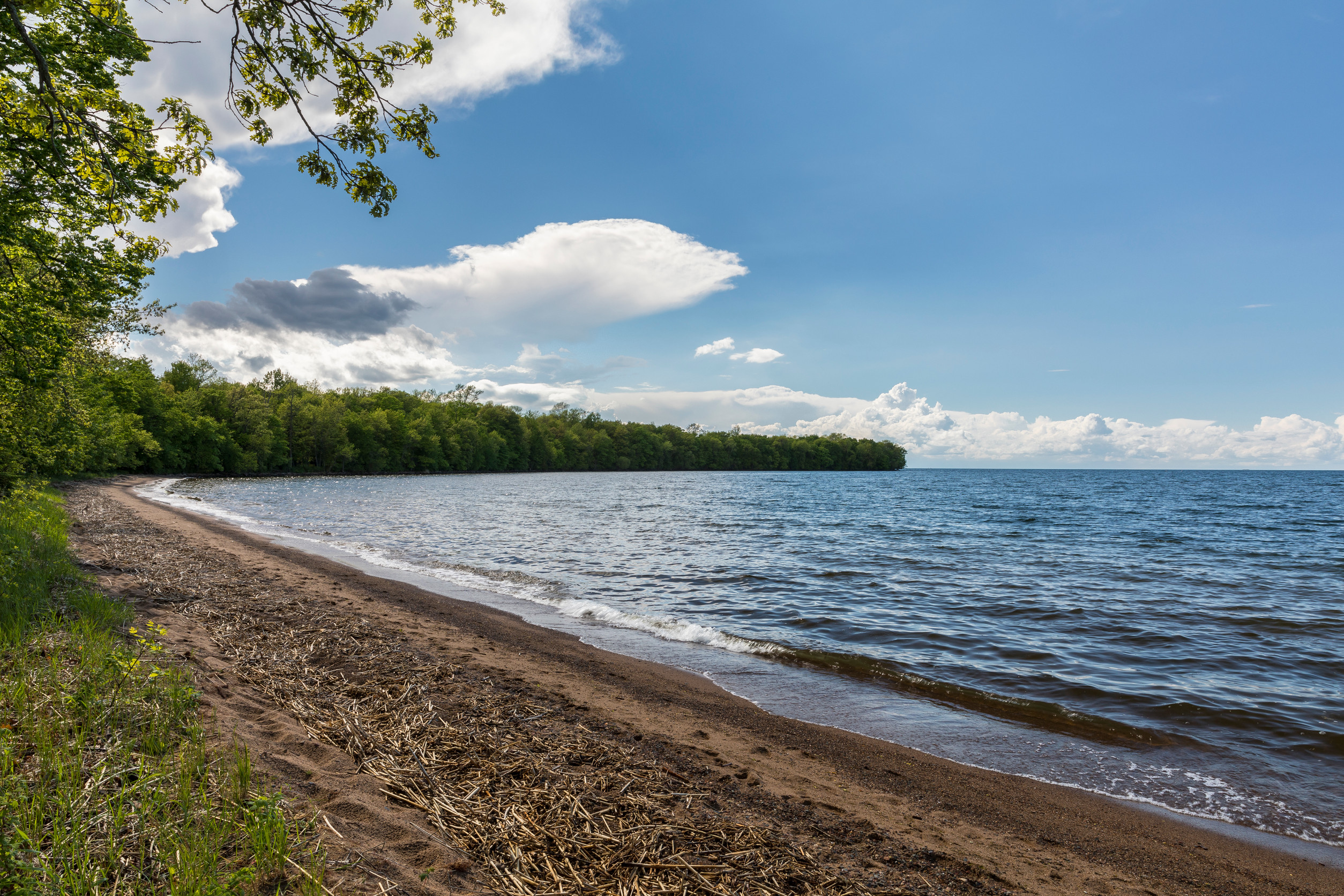
Minnesota lake life is part culture, part choreography. The pontoon idles at noon. The kids cannonball from the dock at dusk. A quiet fishing boat slips out before sunrise. All of it depends on a humble but highly engineered stage: your dock and boat lift system.
Because Minnesota’s seasons are not gentle, docks and lifts here have a job description that goes far beyond “place to stand.” They must resist wind fetch, wave action, spring flooding, summer storms, and the annual freeze-up that can turn neglected equipment into splintered driftwood. They should be safe for kids and grandparents alike, stable enough for gear hauling, and practical to install and remove on schedule. When they’re right, they feel effortless. When they’re wrong, lake time becomes a recurring repair project.
This reference-style guide is built for Minnesota shoreline owners who want a clearer understanding of dock and lift options, how to match a setup to their shoreline, and why seasonal service matters so much in our climate. Sidco Docks, based in Pillager in the Brainerd Lakes region, is a helpful example of a full-service Minnesota dock company: they sell and install Tidal Docks and Lifts, set up and remove systems seasonally, offer barge services, repair storm damage, and handle shoreline support work. Their approach reflects what many Minnesota lakefront owners need: durable hardware paired with knowledgeable, on-the-water service.
It’s tempting to think of a dock as one purchase. In reality, a good shoreline setup is a system made of choices that interact:
Minnesota’s variability makes this systems view essential. A calm, sandy-bottom lake in July is not the same environment in April’s ice-out rush or October’s gusty churn. Companies like Sidco explicitly build around that reality, combining product selection with long-term seasonal support.
Two main dock families dominate Minnesota lakes: stationary and floating. Both can be excellent. The “right” answer is almost always shoreline-specific.
Stationary docks sit on legs that rest on the lake bottom. They’re especially common where water depth changes are modest and lake bottoms are firm enough for stable footing.
Strengths
Shoreline fits
Floating docks ride on buoyant floats and are anchored in place. They rise and fall with water levels, which can be a big advantage on lakes with seasonal fluctuation.
Strengths
Shoreline fits
Sidco sells both dock types through Tidal’s aluminum system lineup, leaning on modular configurations that allow shoreline owners to scale up or pivot as needs change.
Dock geometry is less about design flair and more about how you use your property.
A practical way to decide is to picture your busiest weekend: where people will stand, load coolers, tie lines, or sit with feet in the water. The configuration should support those routines without congestion.
In lake communities, “durable” isn’t a buzzword—it’s survival. Minnesota’s freeze–thaw cycles and UV-heavy summers punish low-grade materials.
Most premium modern dock systems emphasize:
Aluminum frames
Decking surfaces
You’ll see several decking choices:
The best decking for you depends on grip (wet feet and algae happen), maintenance tolerance, and desired look. Composite can reduce sanding and staining chores; wood has a classic feel but requires care. Textured aluminum can be extremely long-lived and low maintenance, though it has its own aesthetic.
Hardware and fasteners
Dock joints fail first where bolts and pins are cheap or poorly protected. Stainless or corrosion-resistant hardware matters more here than most people expect.
A boat lift in Minnesota is both convenience and preservation. It prevents hull damage from wave action, reduces algae buildup, and keeps your boat accessible without daily trailering.
Sidco’s lift lineup, also from Tidal, includes heavy-duty options meant for pontoon and larger fishing boats. While exact models and capacities vary, the selection logic is consistent statewide.
A lift should be rated above your boat’s dry weight, and then padded for:
Undersizing is a common mistake. It can strain cables, reduce lifespan, and create jerky or uneven lifts.
The key is matching lift mechanics to shoreline depth and how easily you want to load/unload.
If there’s one place Minnesota differs from many dock regions, it’s winter. Ice does not negotiate.
That’s why seasonal removal is routine and essential. Sidco’s business model centers on this cycle: professional spring installation, fall removal, plus transport and storage support so owners don’t have to wrestle docks alone.
Minnesota DNR rules treat most docks and lifts as temporary structures meant to be removed before winter freeze-up, and they provide guidelines on sizing, placement, and permits that reinforce safe, low-impact setups.
Seasonal service isn’t just a convenience add-on. In Minnesota, it’s part of the life-support system for your dock.
Wind doesn’t ask if your dock is ready. Neither does an August hail line or a late-season squall.
Sidco includes storm recovery and repair work as a standard part of their shoreline support, which reflects an important truth for Minnesota lakes: equipment that isn’t recoverable and repairable is equipment you’ll replace too soon.
Practical signals that repair or re-leveling might be needed:
Catching these early prevents cascading failures. A small tilt today becomes a twisted frame tomorrow.
Many Minnesota properties are accessible only by water, or have limited land-side staging. For island or remote lots, moving heavy dock sections can be more of an engineering problem than a weekend project.
Sidco offers barge services for transport, removal, and unusual shoreline tasks. That kind of support is quietly valuable for:
If your shoreline has steep elevation changes, narrow access, or soft ground, barge logistics can reduce both labor and risk.
A clean way to think about shoreline fit is by categorizing your lake edge.
Sidco’s blog guidance emphasizes that “not all docks are created equal,” and that shoreline exposure and bottom type drive the right choice more than aesthetics.
Part of responsible Minnesota lake ownership is reducing shoreline impact. The DNR’s dock guidance encourages minimal footprint designs and compliance with local ordinances.
Another part is aquatic invasive species (AIS) prevention. If you hire dock or lift movers, the DNR advises using permitted lake service providers trained in AIS practices, and following cleaning and transport precautions between water bodies. This protects your lake and your neighbors’ lakes, and helps preserve the long-term health of Minnesota’s water culture.
The best dock setups are not just purchased—they’re maintained as part of a seasonal routine.
A calm annual checklist:
This is not meant to be fussy. It’s the shoreline equivalent of changing your furnace filter: small actions that keep big systems happy.
Companies that offer full-cycle service—sales, install, removal, repairs—reduce the chance that maintenance slips through the cracks. Sidco’s service list is built around that full shoreline lifecycle.
A great dock and lift system doesn’t demand attention. It quietly supports the rituals that make Minnesota shorelines special: casting from the edge, loading the boat without wobble, rinsing off after a swim, or watching the sunset with your feet above the waterline.
When you design around your shoreline, choose materials that tolerate our seasons, and respect the install/removal cadence that winter requires, you trade uncertainty for ease. And ease is what lake life is supposed to feel like.
Sidco Docks represents a very Minnesota model of shoreline care: durable Tidal products plus hands-on seasonal service rooted in local water knowledge. Whether your lake is a quiet pocket north of Brainerd or a wind-swept expanse that tests every bolt, the principles stay the same: match the system to the site, and treat seasons as part of the design.